
ABOUT THE PLACE
OGATA is my lifework. As such it is a constant work in progress.
Based on two decades of gestation in Japan, with Paris as a point of departure, I envision OGATA as offering a timeless way of being that enriches the lives of our contemporaries and future generations across the world. Cultural transmission requires both spirit and an actual place.
While OGATA’s roots are in Japan, the choice of Paris for its first physical realisation was deliberate. As the cultural capital of the world, the French capital is the meet-ing point for progressive thinkers who share common values. I aspire to welcome individuals with this sensitivity and conscientiousness through the doors of
OGATA Paris, trusting that they will share their experience with other like-minded people.
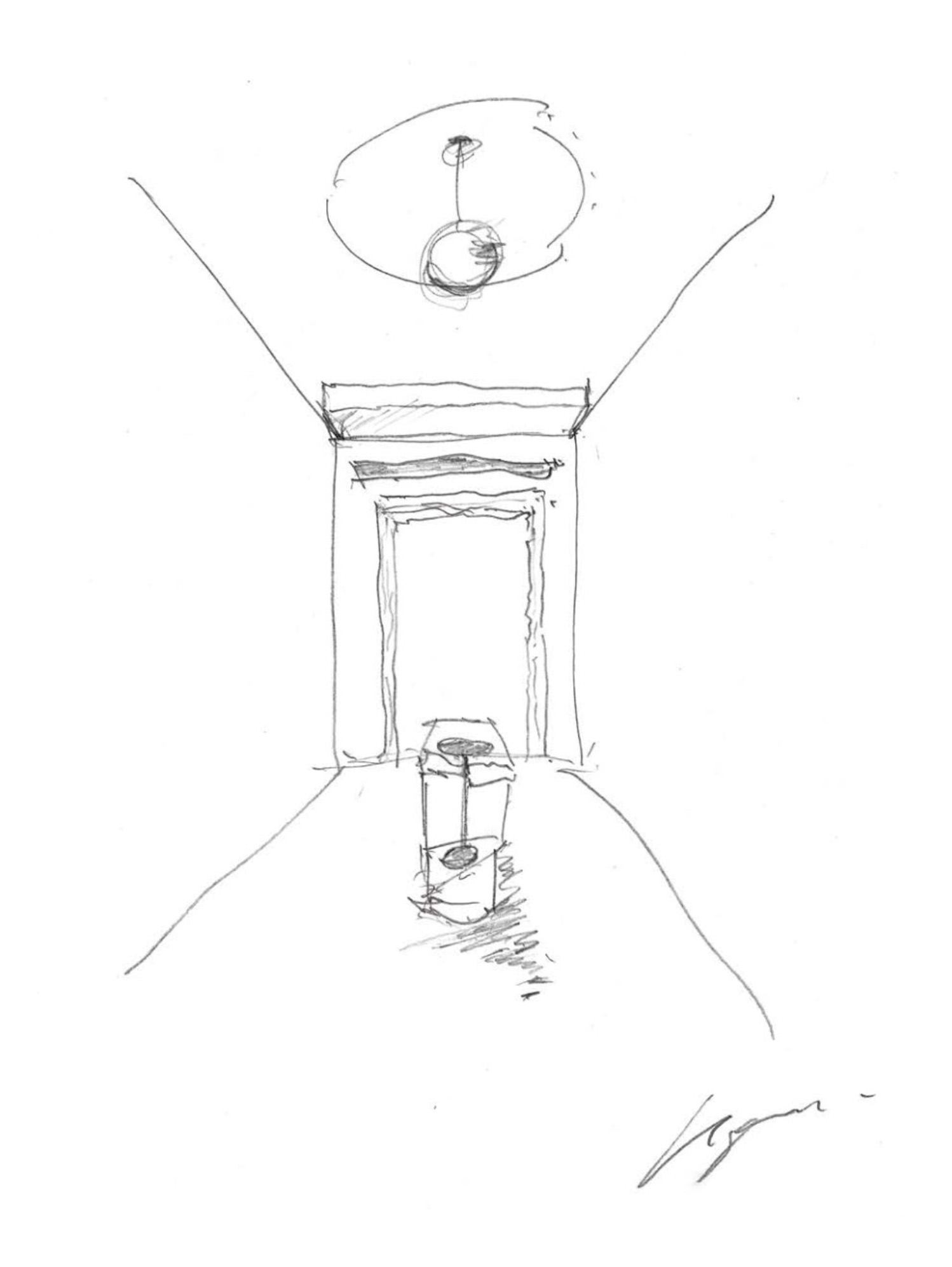
DESIGN AND RESTORATION
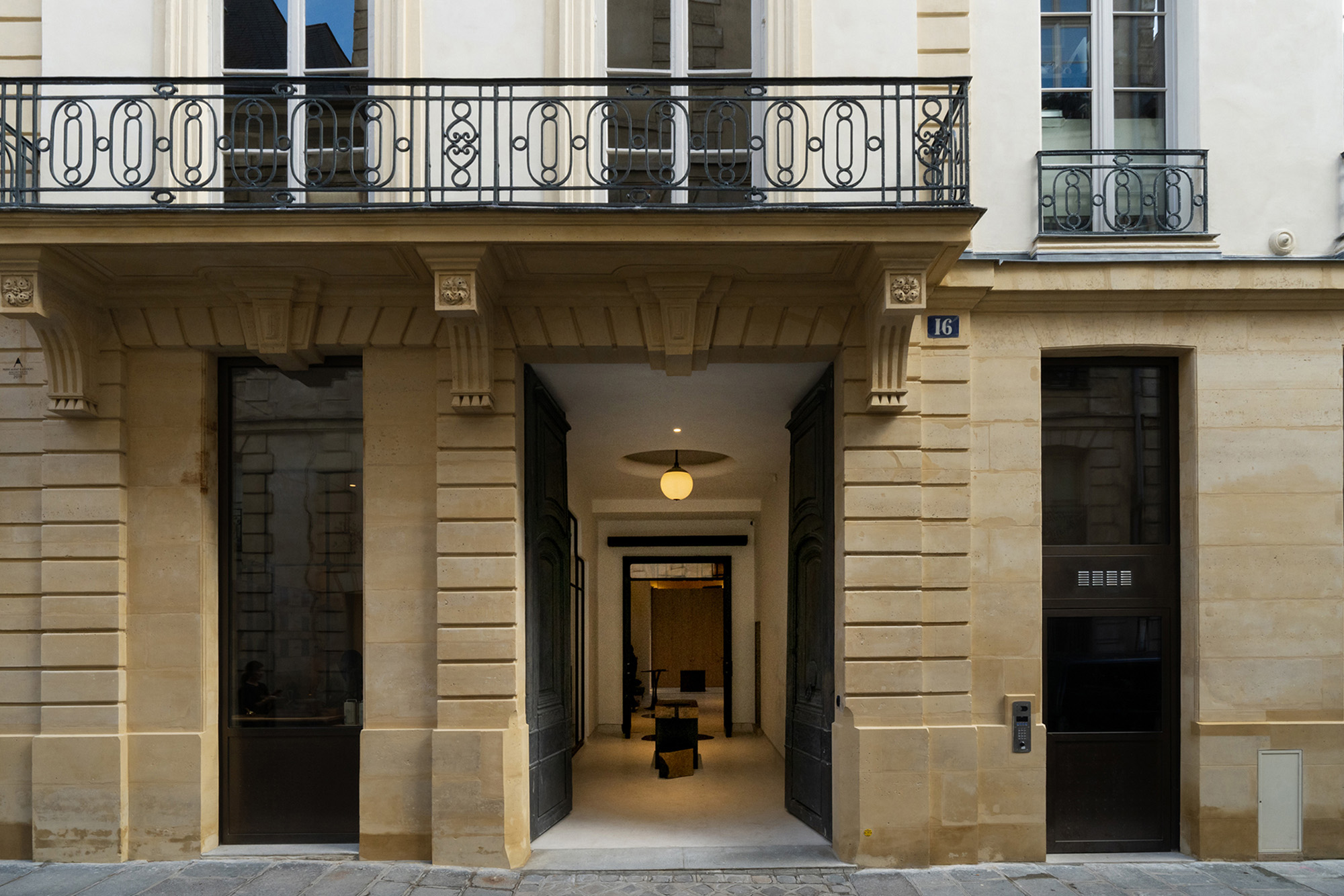
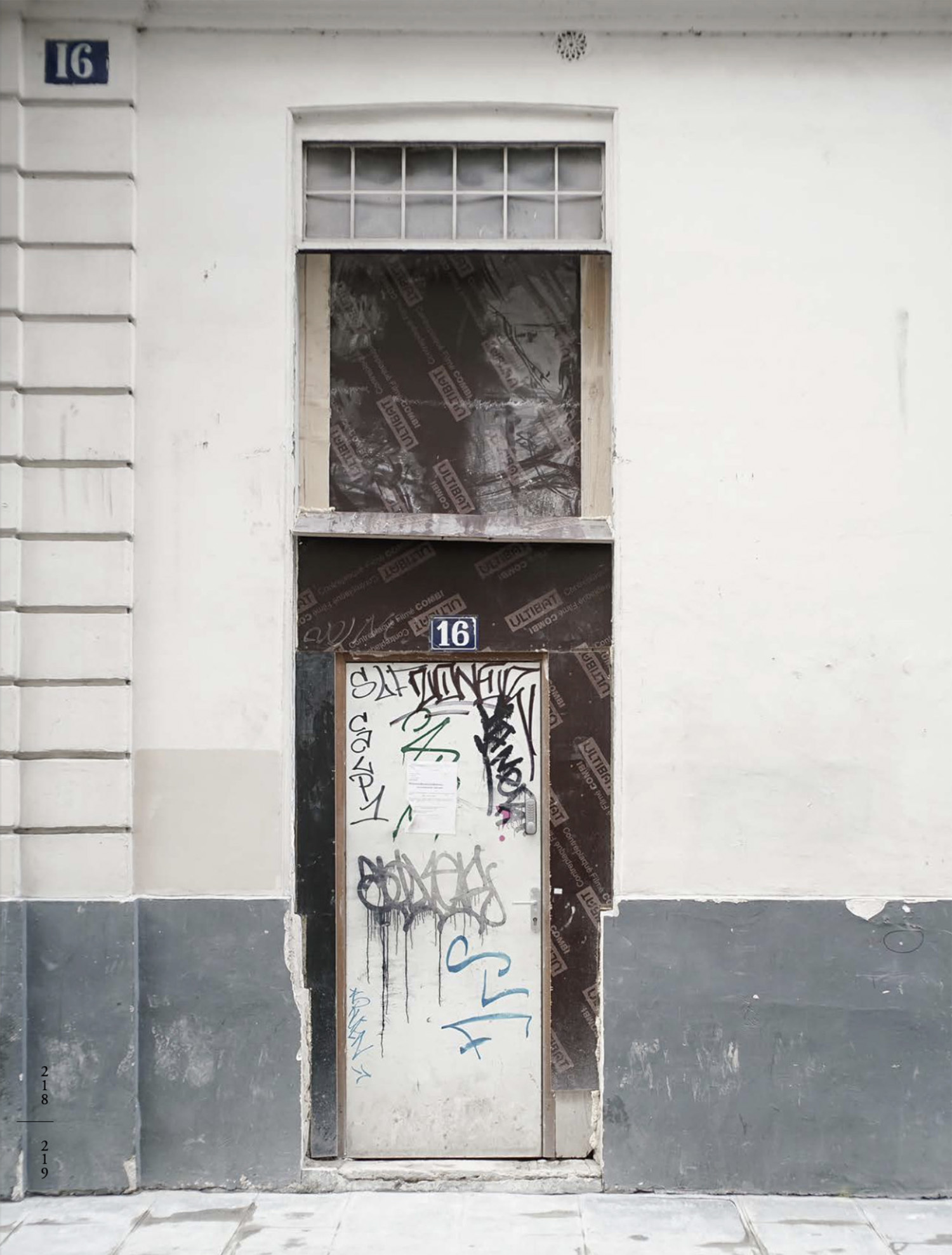
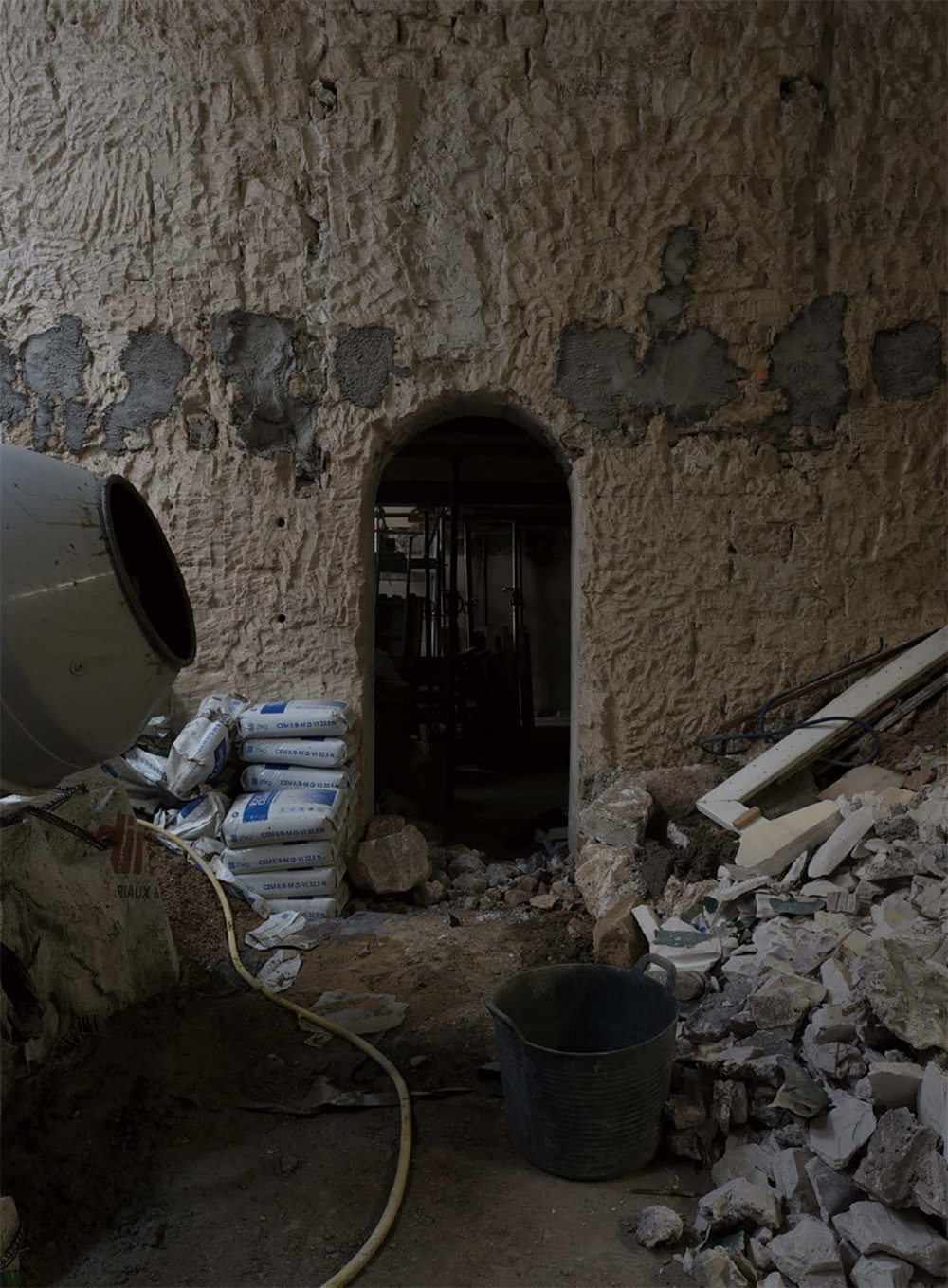
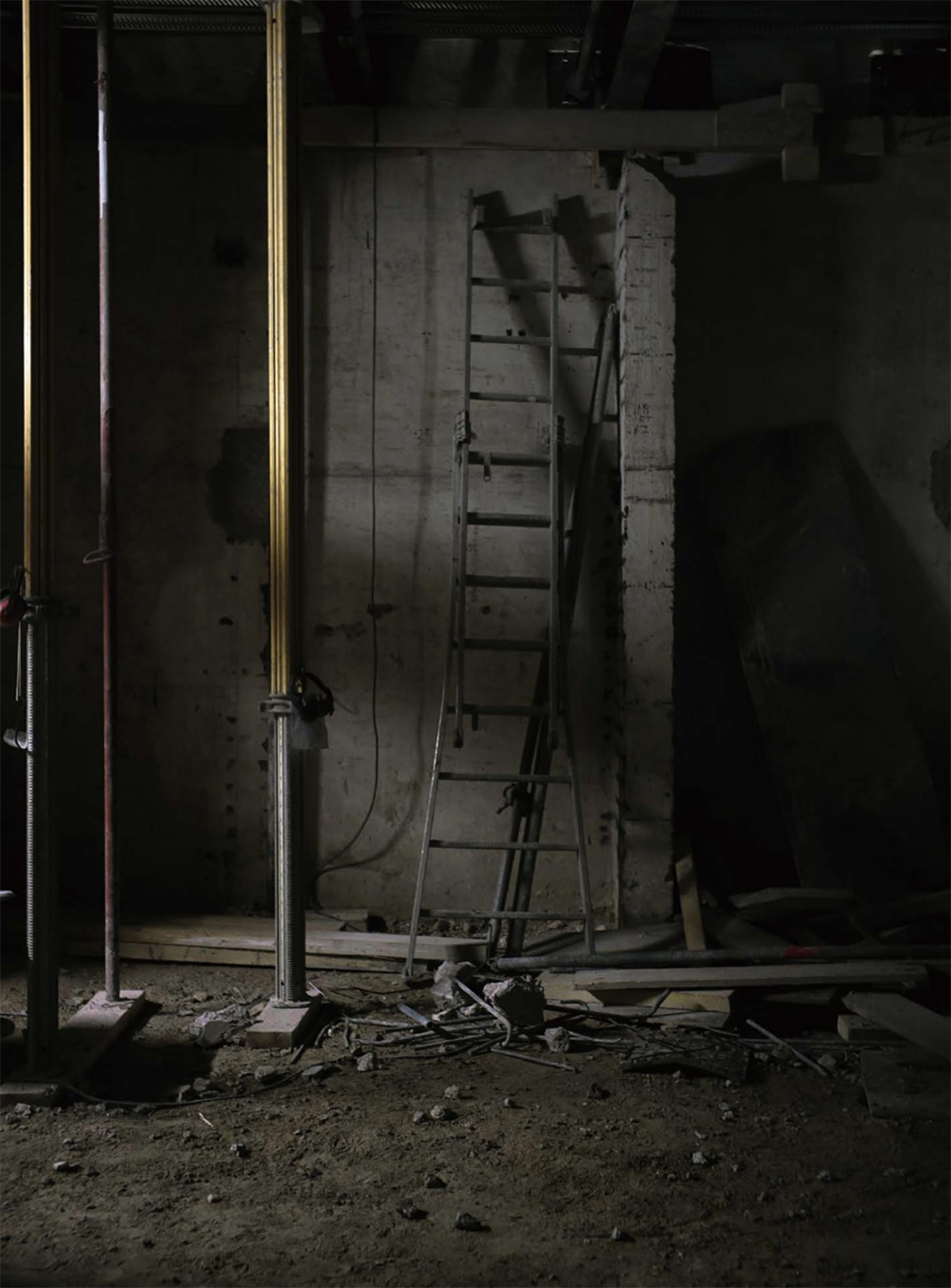
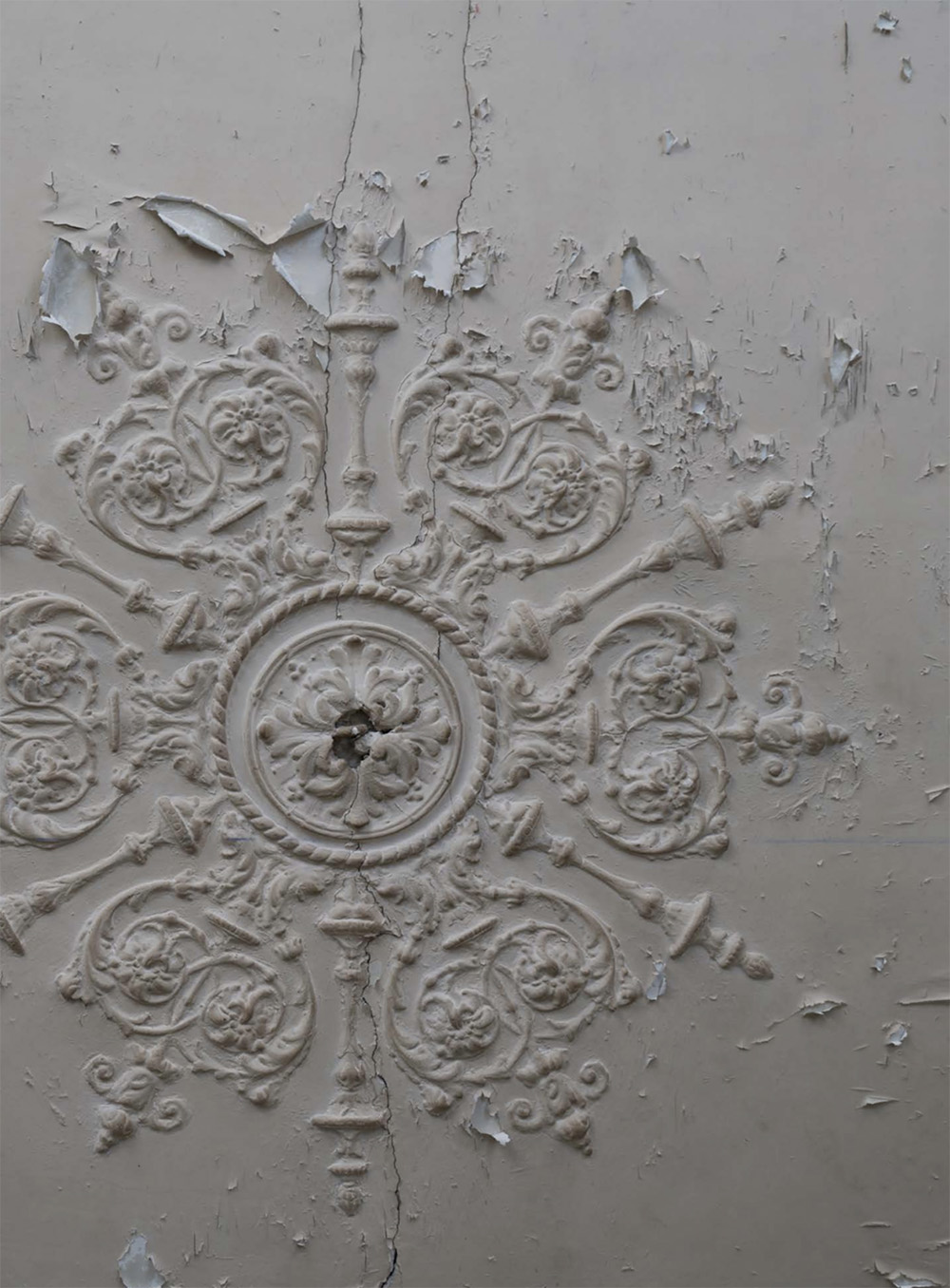
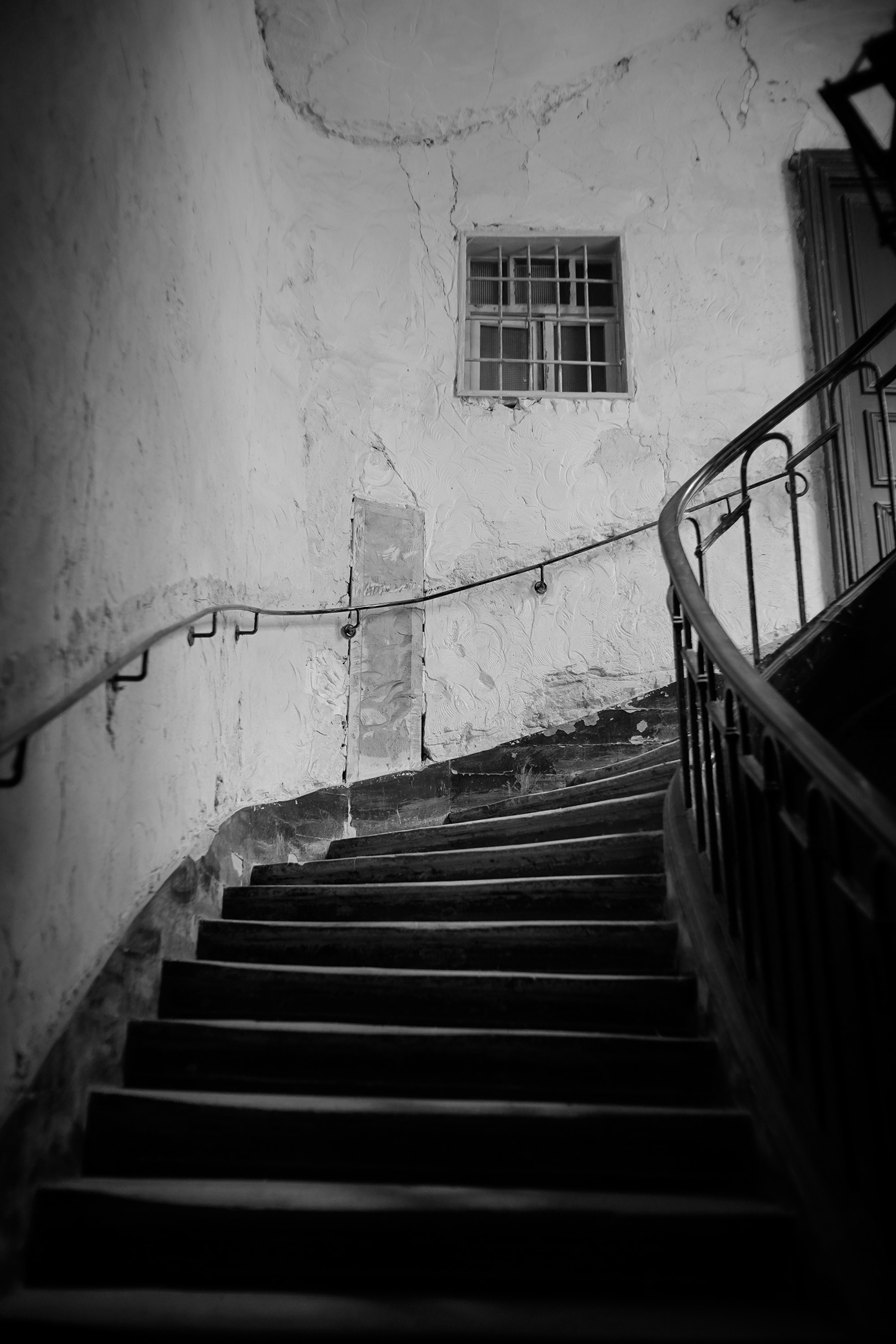
Applying my design principles to a historic building in the heart of Paris proved to be a multifaceted challenge. Drawing from traditional Japanese aesthetics and guided by the harmony of nature, I allowed the history and memory of a hôtel particulier built in the Marais district between 1620 and 1643 to guide me. Located at 16 rue Debelleyme, this town house—typical of seventeenth-century aristocratic homes—is now classified within the pro- tected area of the Marais.
Since the beginning, my intention was to add a new, harmonious layer to the heavily sedimented memory of the building, in order to respect its history and its soul. The restoration work made visible the successive modifications brought to the building, and the traces of previous occupants remain in sight where possible. But the soul of the building resides in its stone, the material with which I established a dialogue, bringing my own predilections to the interior. Each space now references Paris and its history, as much as the natural elements my design always alludes to. In its architecture, OGATA Paris embodies the fusion of a new sahō with the history and traditions of the West.
History
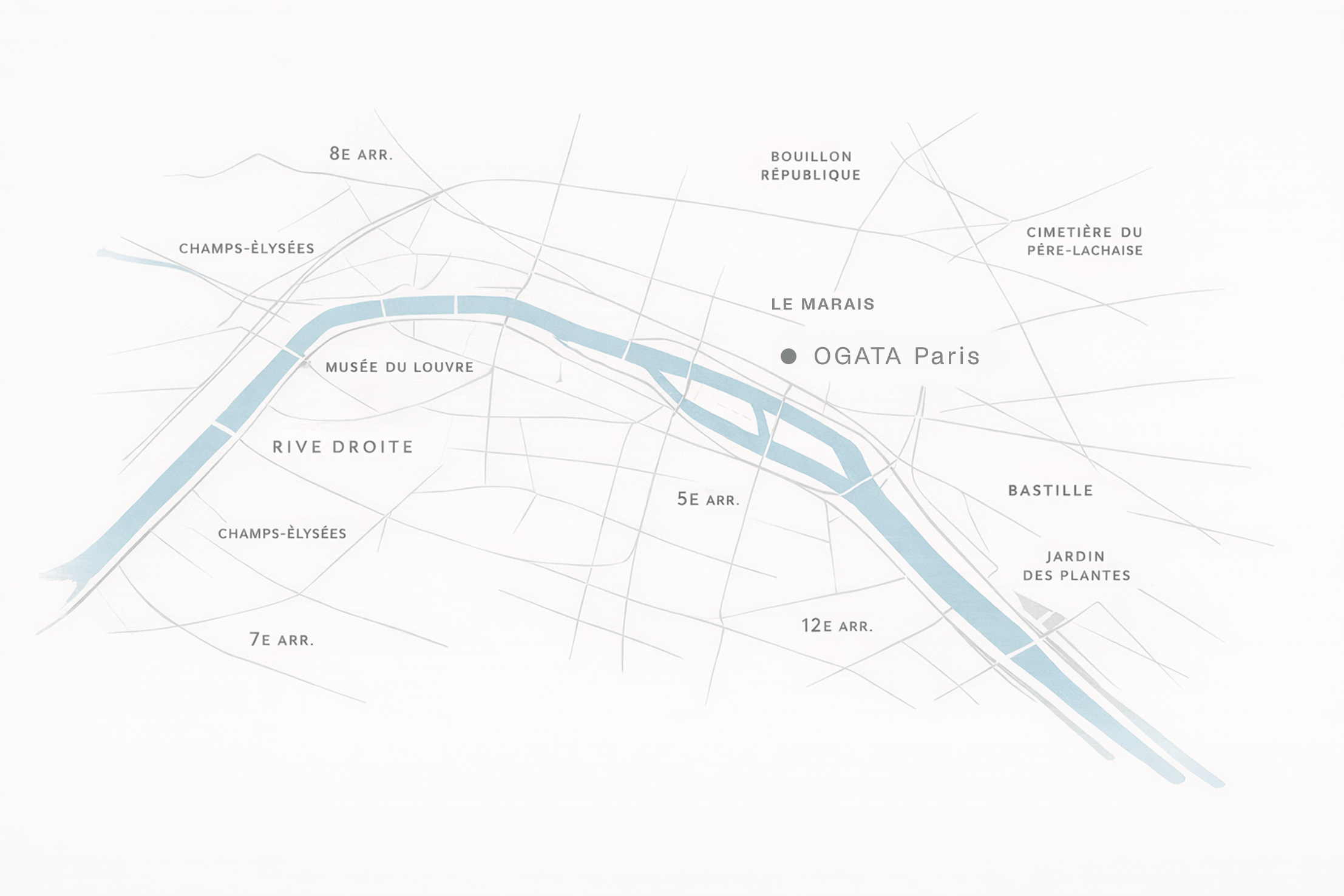
Located in a 17th century hotel particulier at 16 rue Debelleyme in the heart of the Haut Marais area, OGATA is a new aesthetic created in a historical space.
The street known today as rue Debelleyme is created under the name rue neuve Saint-François.
Construction of the building. Under the reign of Louis XIII (1601–1643), the development of the Marais area begins, composed of aristocratic homes endowed with architectural characteristics typical of this era.
Henry-Louis Frédy, advisor to the king, becomes the first occupant.
Painter Gabriel Ruineau, known as “Fontaine,” makes this his home. From this point on, the building serves as accommodation to individuals.
The name of the street is changed from rue neuve Saint-François to rue Debelleyme.
Following the collapse of the second-floor balcony built in the 19th century, the modern architect Jean-Pierre Dacbert restores the facade.
Acquired by Weber, a company specializing in hardware sales. The building undergoes major restructuring.
Classified as a building within a protected area of the Marais.
Opening of OGATA Paris.

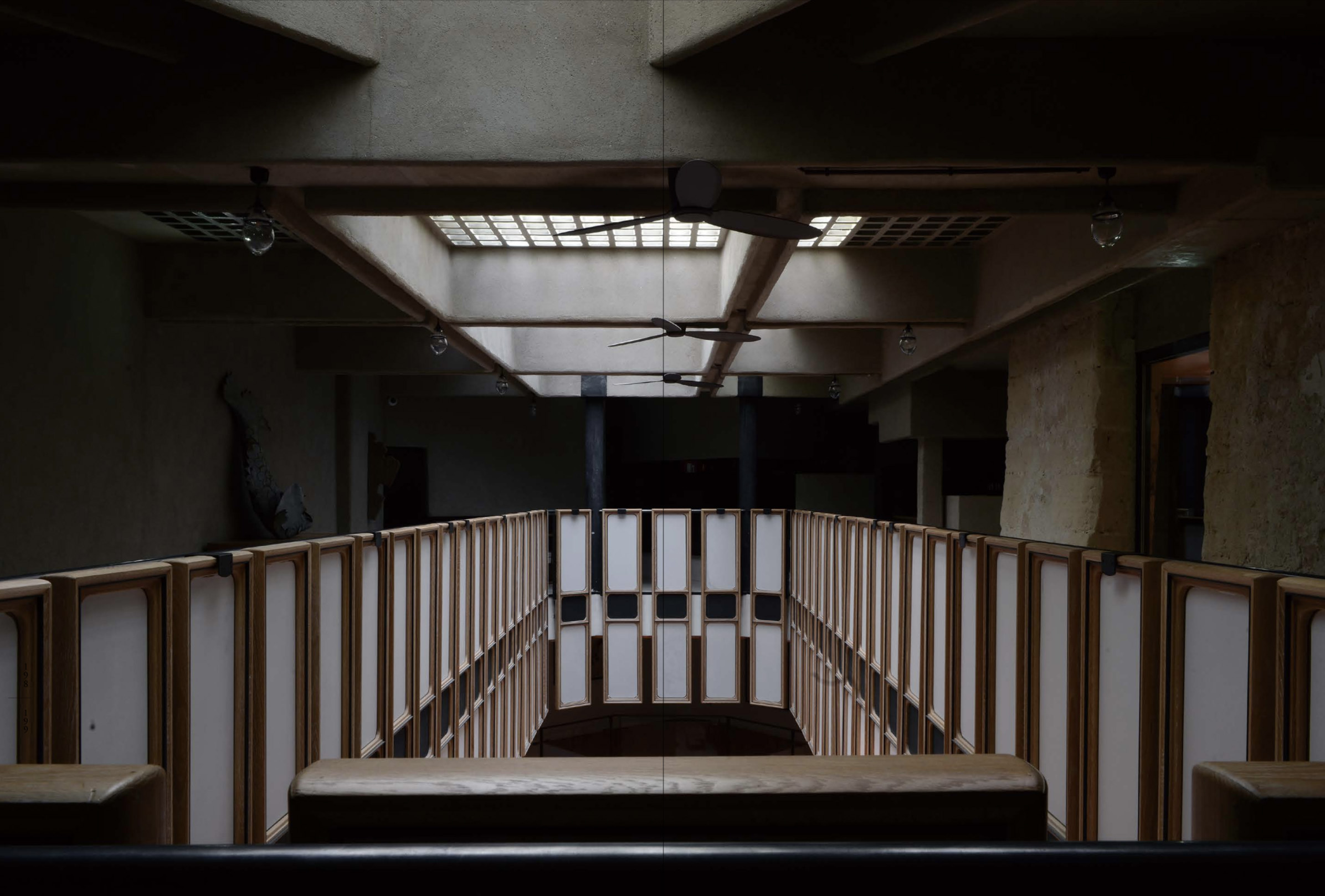
The fifty panels of washi paper suspended midair create a symbolic enclosure, embracing the natural light that pours through the ceiling. Each panel echoes one of the fifty sounds of the Japanese syllabary.
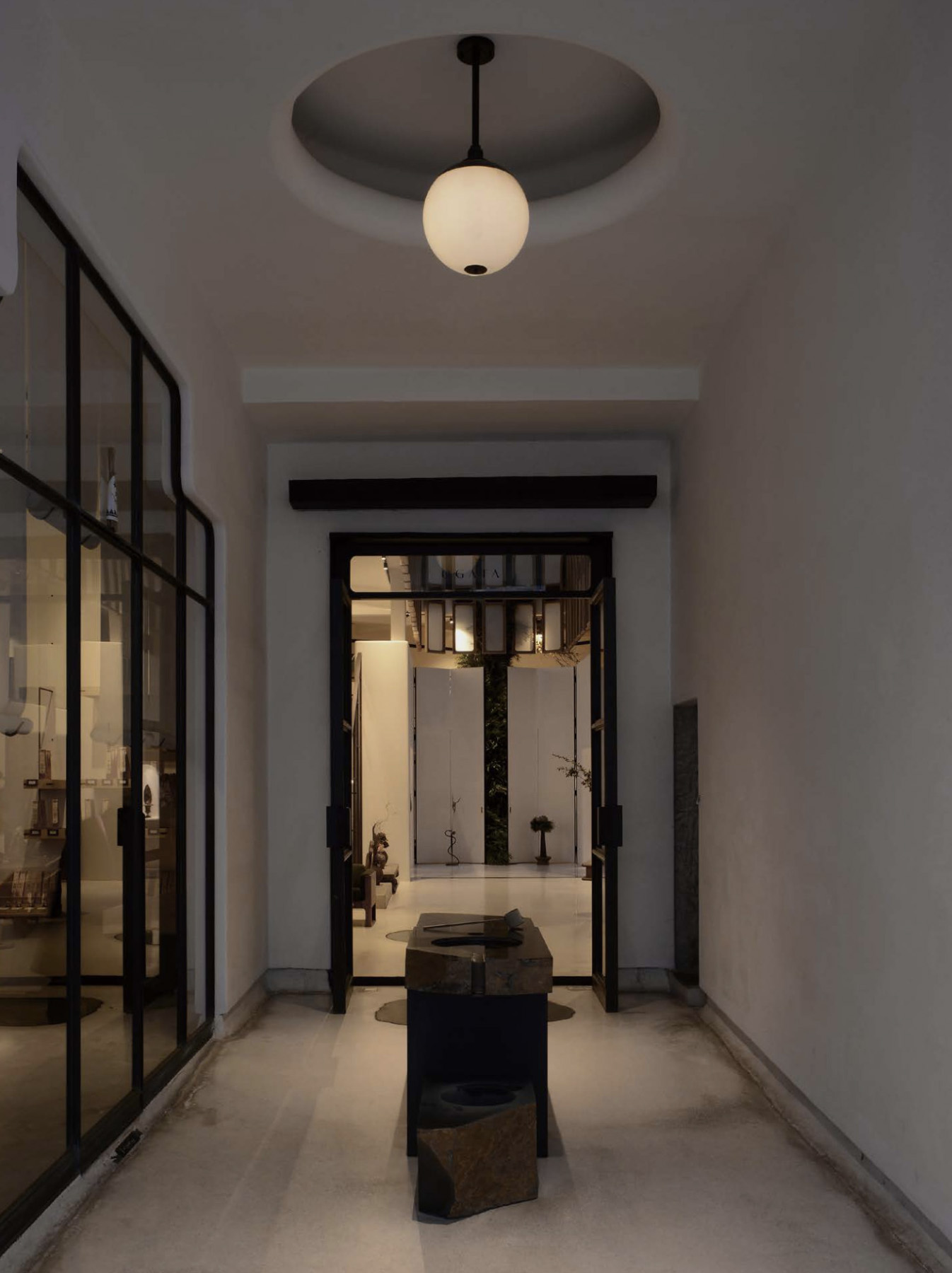
"When I designed OGATA Paris, I naturally set a tsukubai in the entrance hall to establish a symbolic barrier between the outside tumult of the street and the serenity inside the premises. I am always curious to see how Parisian visitors react to the basin as they enter the building."
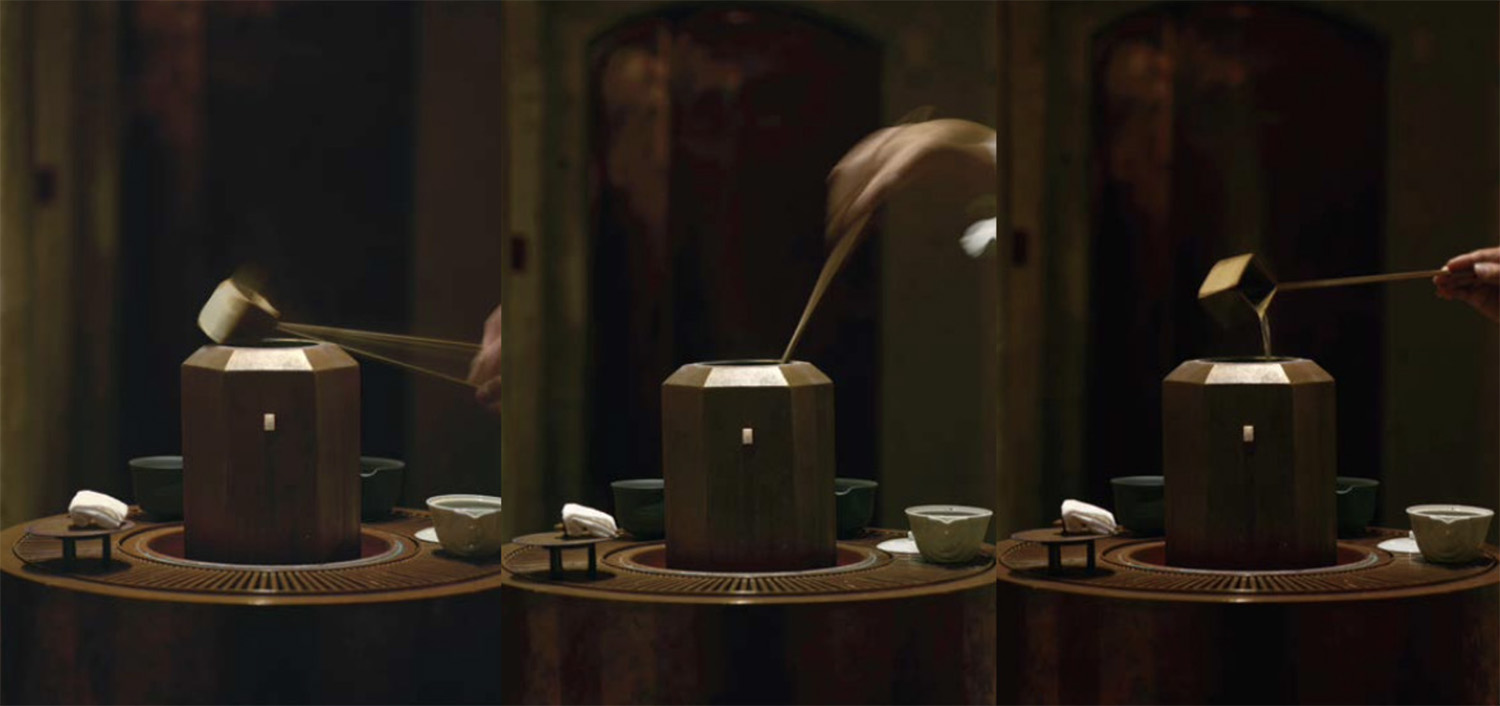
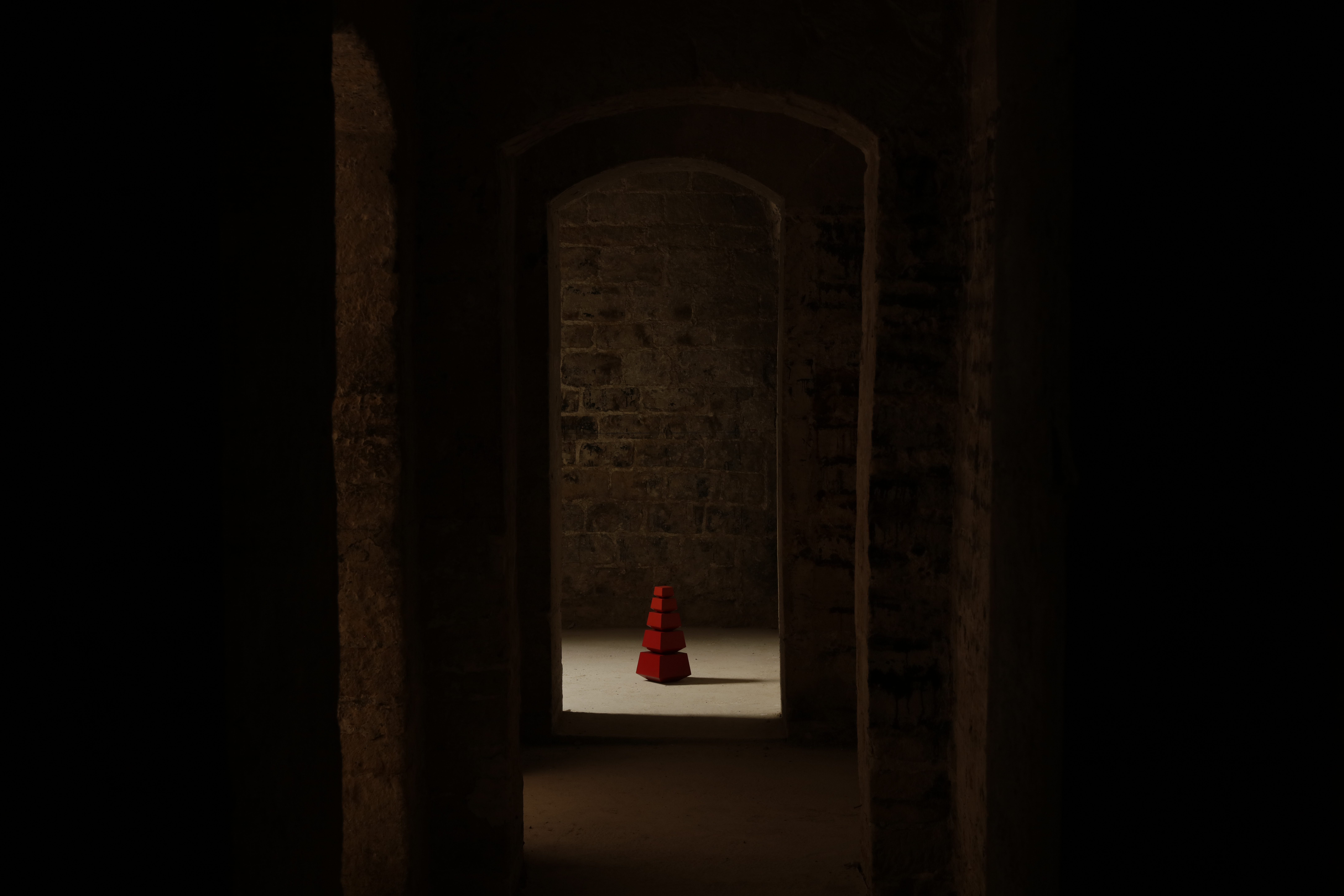
The acoustics of the vaulted basement reverberate the murmuring of boiling water in the kama cauldron, providing an atmosphere to appreciate tea in a state of meditation.
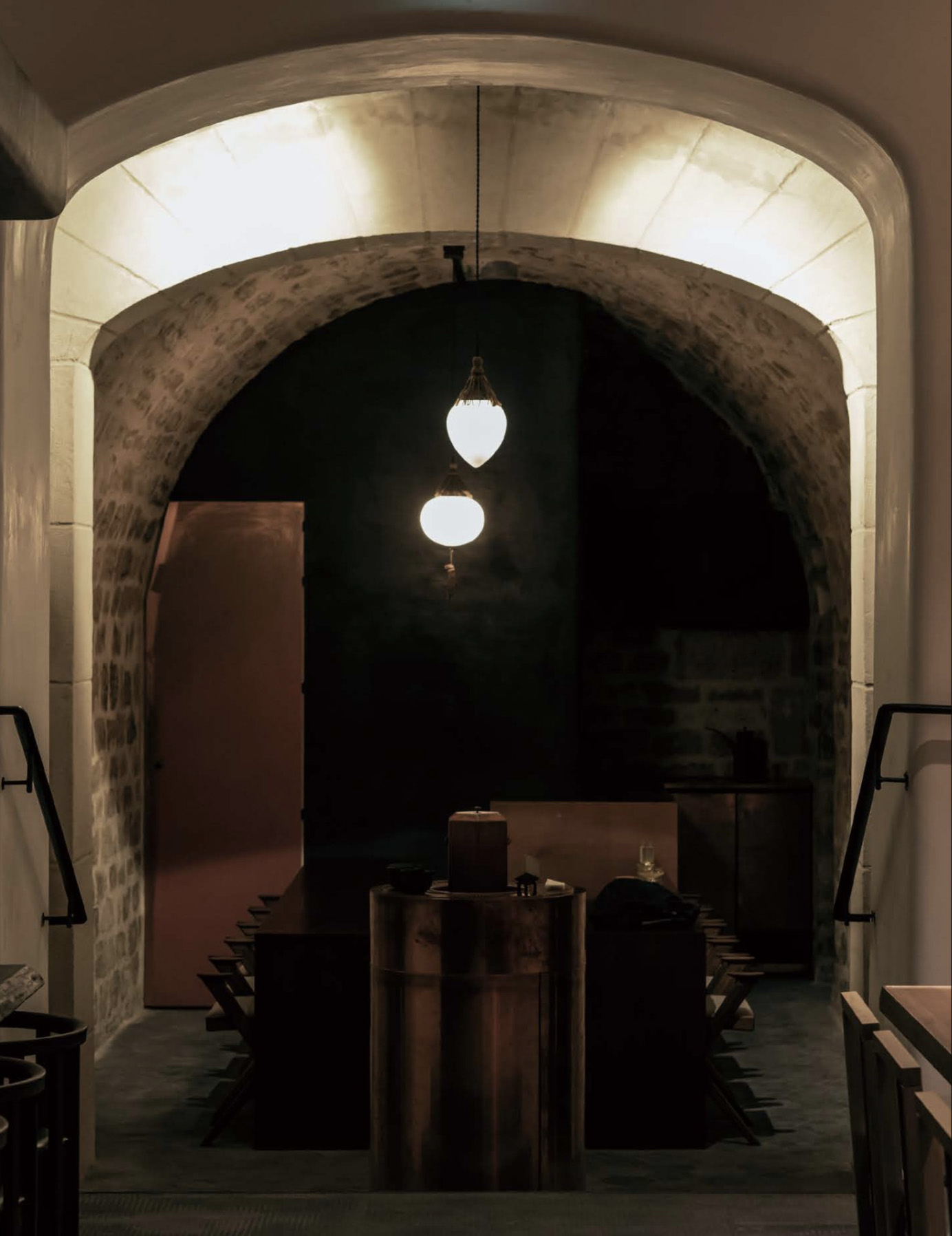
"Everyday life is full of implicit rules that give form to our acts and behavior: more than protocol or etiquette, they are common gestures through which people share a given experience. In Japan, this set of manners is called sahō. Reinventing traditional sahō by adapting them to current customs and contemporary aesthetics can produce new, harmonious ways of being that can be implemented around the world. These sahō are deeply rooted in nature and yet still open to outside influences."
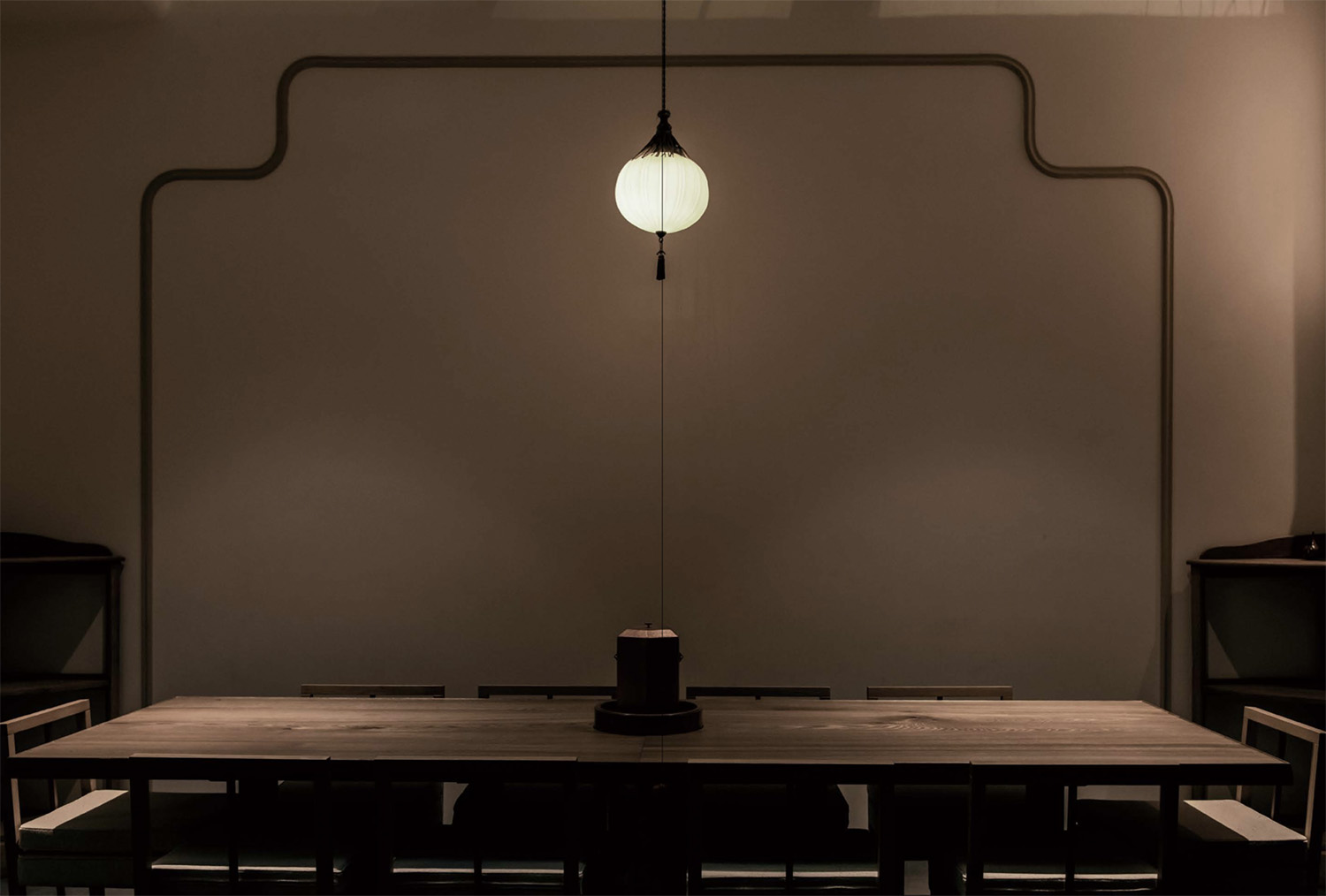
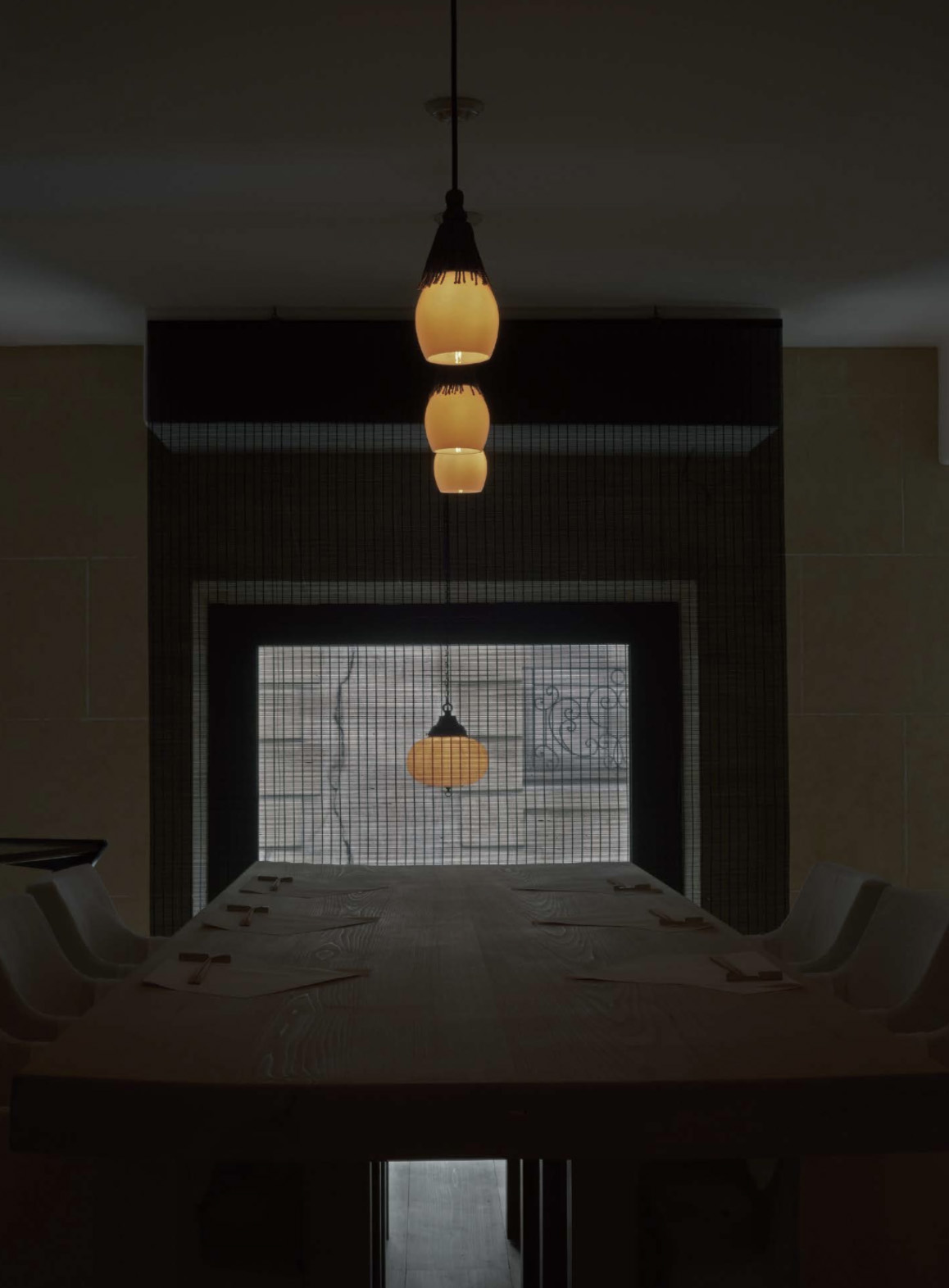
In the privacy of a hidden room, stepping barefoot onto a tatami bochi stage, our senses are engaged even before the meal begins.